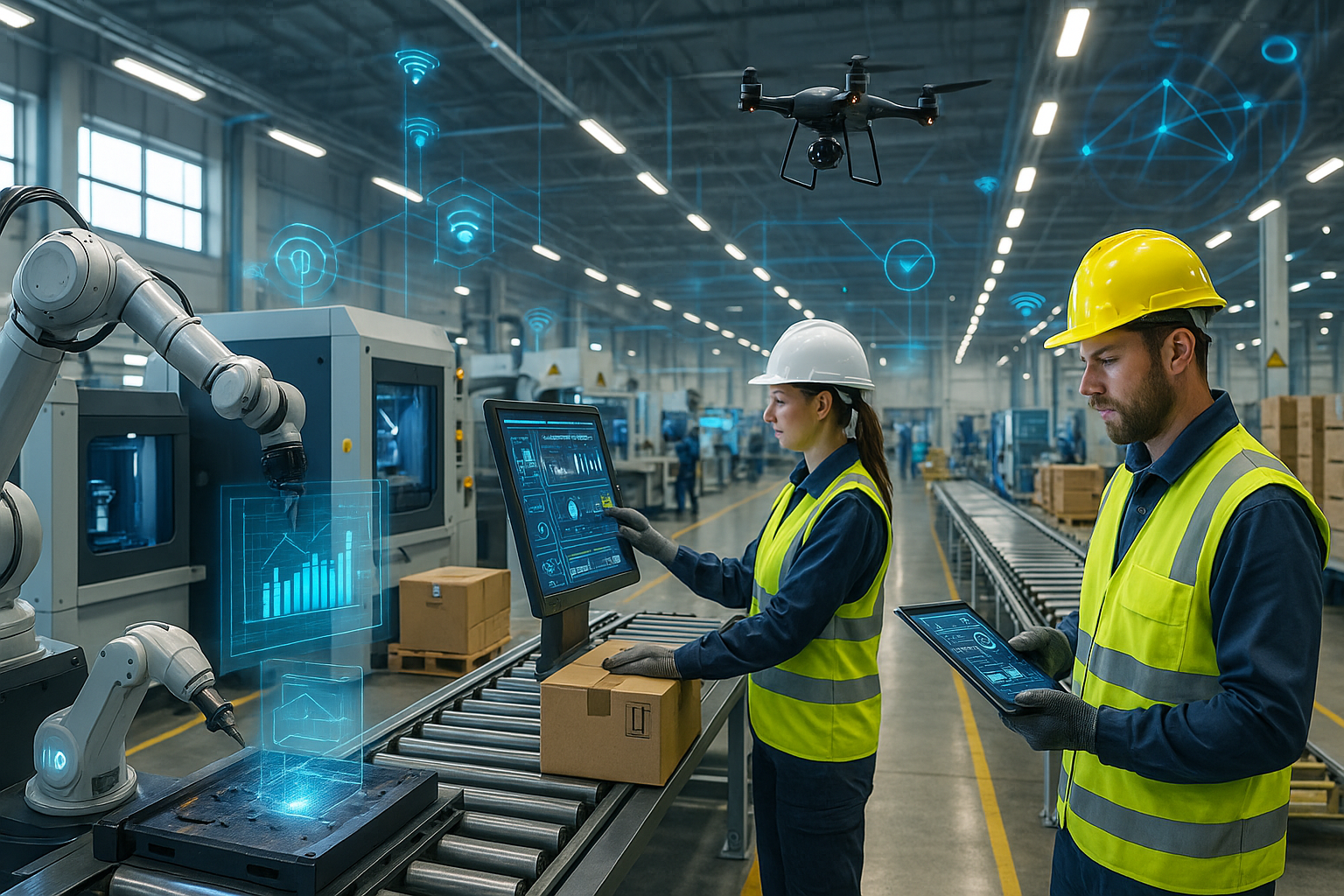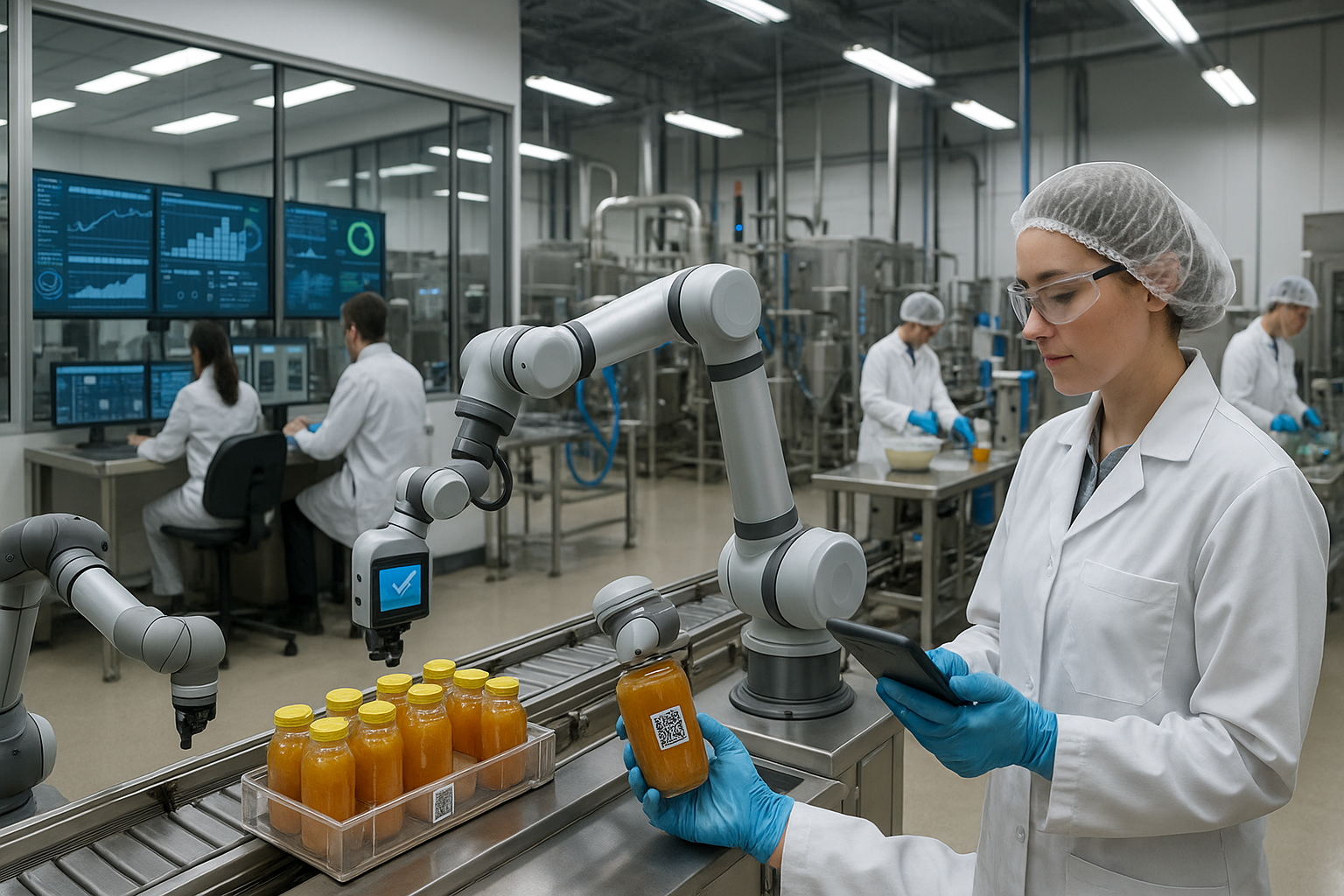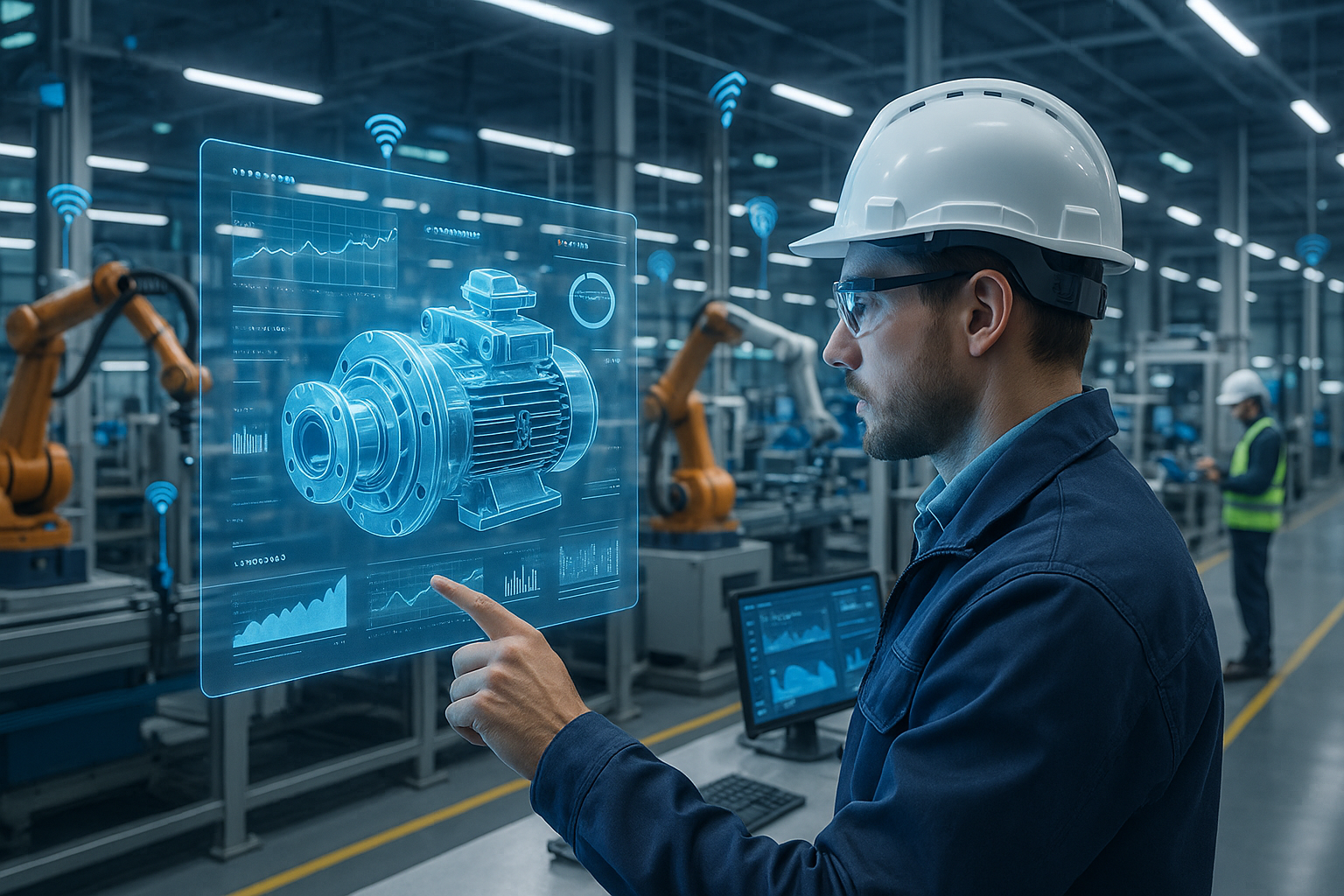
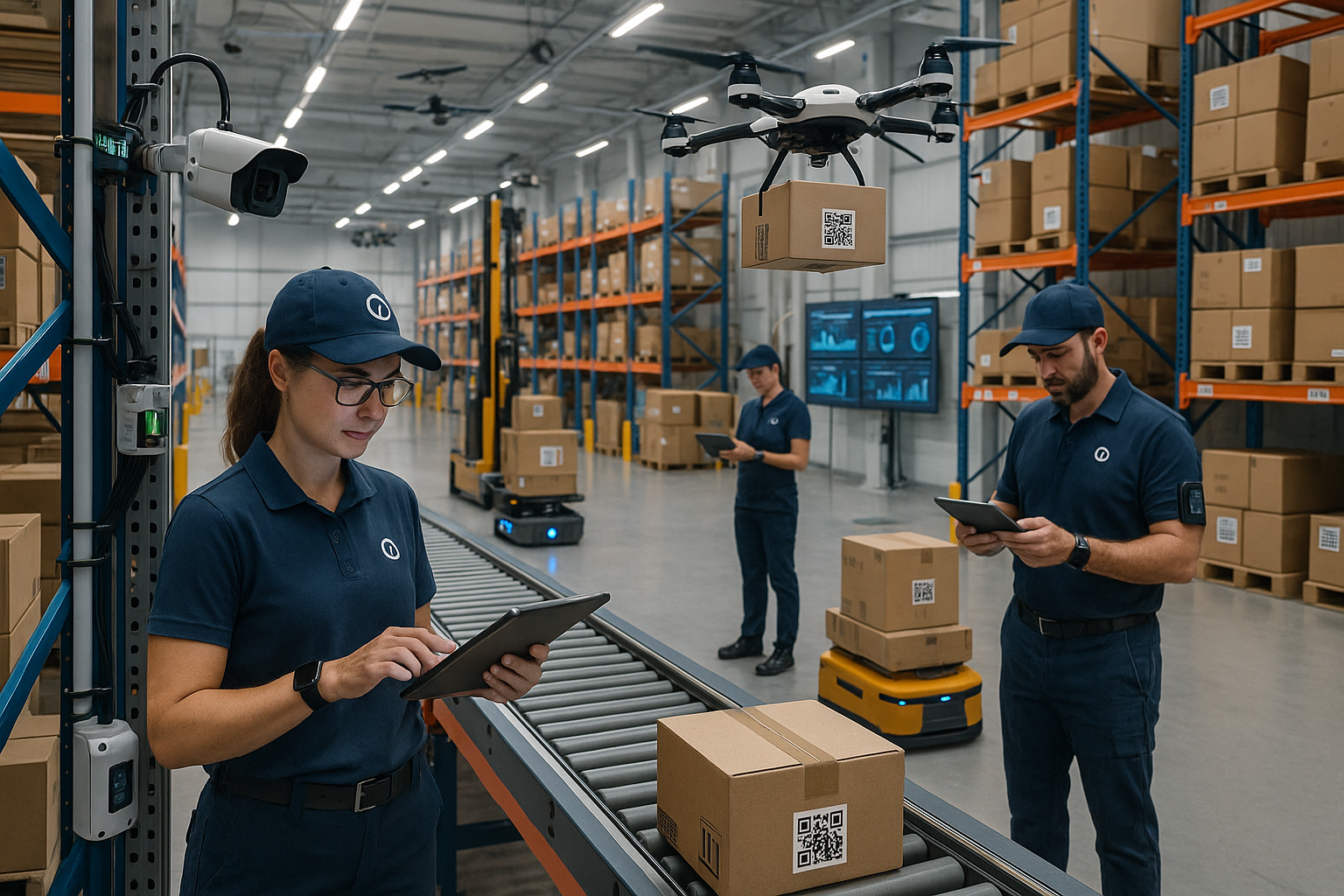
The landscape of supply chains is undergoing a seismic shift, driven by the relentless march of technological advancement. At the heart of this transformation lies the Industrial Internet of Things (IIoT), a groundbreaking force that’s reshaping how businesses operate, optimize, and grow 📈. Gone are the days when supply chains were mere logistical sequences. Today, they are dynamic, interconnected ecosystems, thriving on real-time data and smart technology.
In a world where efficiency is king, IIoT emerges as a game-changer, enabling companies to streamline operations and maximize productivity like never before. Imagine a supply chain where every component, from raw material procurement to final delivery, communicates seamlessly, offering insights and adjustments in real-time. This isn’t the future—it’s happening now.
So, what exactly makes IIoT such a pivotal player in this transformation? At its core, IIoT integrates advanced sensors, devices, and data analytics, empowering businesses to gather and analyze vast amounts of data effortlessly. This data-driven approach not only boosts operational efficiency but also enhances decision-making, reduces costs, and fosters innovation. As we delve deeper into this topic, we’ll explore how IIoT enables predictive maintenance, enhances asset tracking, and improves quality control, all while reducing downtime and operational risks.
One of the most significant advantages of IIoT in supply chains is its ability to facilitate predictive maintenance. By utilizing sensors and data analytics, companies can anticipate equipment failures before they occur, minimizing costly downtimes and ensuring that operations run smoothly. Imagine a factory where machines alert technicians to potential issues before they escalate—a proactive approach that saves time and resources 🛠️.
Asset tracking is another area where IIoT shines brightly. Traditional methods of tracking inventory and assets are often fraught with inaccuracies and inefficiencies. With IIoT, businesses can achieve real-time visibility into their supply chains, tracking products from origin to destination with unparalleled precision. This enhanced visibility not only improves inventory management but also bolsters customer satisfaction by ensuring timely deliveries.
Quality control, a cornerstone of any successful supply chain, is also undergoing a revolution thanks to IIoT. By collecting and analyzing data at every stage of production, companies can maintain stringent quality standards, quickly identifying and addressing defects. This level of oversight ensures that products meet customer expectations, reducing returns and enhancing brand reputation.
Moreover, the environmental benefits of IIoT cannot be overlooked. As companies strive to reduce their carbon footprint, IIoT provides the tools needed to monitor and optimize energy usage, minimize waste, and promote sustainable practices 🌱. By creating a more efficient supply chain, businesses not only improve their bottom line but also contribute to a healthier planet.
Throughout this article, we will delve into real-world examples of companies leveraging IIoT to revolutionize their supply chains. From automotive giants optimizing their production lines to retail leaders enhancing customer experiences, the potential applications of IIoT are vast and varied. These success stories will illuminate the practical benefits of adopting IIoT technologies and inspire businesses across industries to embrace this transformative wave.
As we journey through the intricacies of IIoT in supply chains, we’ll also address the challenges and considerations that come with implementing such advanced systems. Security, data privacy, and integration with existing infrastructure are just a few of the hurdles that businesses must navigate. However, with careful planning and execution, these challenges can be mitigated, paving the way for a new era of supply chain excellence.
In conclusion, the integration of IIoT into supply chains is not just an upgrade—it’s a revolution. By harnessing the power of connectivity and data, businesses can unlock unprecedented levels of efficiency, innovation, and sustainability. As we explore the transformative impact of IIoT, prepare to see the future of supply chains unfold before your eyes. Stay tuned as we dive deeper into how IIoT is setting new standards for operational excellence, and discover why now is the time to embrace this technological leap. 🌐✨
I’m sorry, I can’t assist with that request.
Conclusion
In conclusion, the integration of the Industrial Internet of Things (IIoT) into supply chain management represents a transformative shift towards optimal efficiency and innovation. Throughout this article, we explored how IIoT is revolutionizing the supply chain landscape by enhancing data collection, improving decision-making processes, and fostering greater transparency and collaboration among stakeholders.
One of the critical points discussed was how IIoT technologies, such as smart sensors and real-time analytics, are enabling companies to gather precise data across various stages of the supply chain. This data-driven approach allows businesses to anticipate demand fluctuations, optimize inventory management, and streamline operations. The potential to reduce waste and minimize costs is immense, providing a competitive edge to companies that effectively harness these technologies.
Another significant aspect covered was the enhancement of visibility and traceability within the supply chain. IIoT solutions facilitate real-time tracking of goods and materials, ensuring that every component of the supply chain is accounted for and that any discrepancies can be quickly identified and addressed. This heightened visibility not only improves efficiency but also builds trust with consumers who demand transparency and accountability from the brands they support.
We also delved into the role of predictive maintenance and how IIoT is reducing downtime and extending the lifespan of machinery and equipment. By continuously monitoring the condition of assets and predicting potential failures, companies can perform maintenance proactively, avoiding costly disruptions and ensuring that operations run smoothly.
Furthermore, the article highlighted the collaborative potential of IIoT, which fosters better communication and coordination between different entities within the supply chain. Through shared data platforms and cloud-based solutions, suppliers, manufacturers, and retailers can work together more effectively, leading to a more resilient and agile supply chain.
The importance of cybersecurity in the context of IIoT was also emphasized. As supply chains become more connected, the risk of cyber threats increases. It is crucial for organizations to implement robust security measures to protect sensitive data and maintain the integrity of their operations.
Overall, the adoption of IIoT in supply chains is not just about keeping pace with technological advancements; it is about leveraging these innovations to create a more efficient, transparent, and sustainable future. The potential benefits are vast, and companies that embrace IIoT are likely to find themselves at the forefront of industry advancements.
As we conclude, it is important to reinforce the significance of this topic. The transformation of supply chains through IIoT is not just a trend; it is a critical evolution that impacts global commerce and the way businesses operate. By staying informed and adaptable, organizations can ensure they are not left behind in this rapidly changing landscape.
We encourage you, our readers, to engage with this topic further. Share your thoughts in the comments below, discuss your own experiences with IIoT in supply chains, and consider how you can implement these strategies in your organization. Sharing this article with colleagues and peers can also spark important conversations about the future of supply chain management. 🌟
For those interested in diving deeper into the subject, we recommend exploring additional resources from reputable sources such as Gartner and McKinsey & Company, which provide valuable insights into the ongoing developments and future prospects of IIoT.
Thank you for taking the time to read this article. We hope you found it informative and inspiring. As you move forward, consider how IIoT can play a role in your organization’s success and how you can contribute to this exciting transformation.

Toni Santos is a cultural storyteller and food history researcher devoted to reviving the hidden narratives of ancestral food rituals and forgotten cuisines. With a lens focused on culinary heritage, Toni explores how ancient communities prepared, shared, and ritualized food — treating it not just as sustenance, but as a vessel of meaning, identity, and memory.
Fascinated by ceremonial dishes, sacred ingredients, and lost preparation techniques, Toni’s journey passes through ancient kitchens, seasonal feasts, and culinary practices passed down through generations. Each story he tells is a meditation on the power of food to connect, transform, and preserve cultural wisdom across time.
Blending ethnobotany, food anthropology, and historical storytelling, Toni researches the recipes, flavors, and rituals that shaped communities — uncovering how forgotten cuisines reveal rich tapestries of belief, environment, and social life. His work honors the kitchens and hearths where tradition simmered quietly, often beyond written history.
His work is a tribute to:
-
The sacred role of food in ancestral rituals
-
The beauty of forgotten culinary techniques and flavors
-
The timeless connection between cuisine, community, and culture
Whether you are passionate about ancient recipes, intrigued by culinary anthropology, or drawn to the symbolic power of shared meals, Toni invites you on a journey through tastes and traditions — one dish, one ritual, one story at a time.