
In a world where everything from our refrigerators to our doorbells is getting smarter, the Internet of Things (IoT) has seamlessly woven itself into the fabric of our daily lives. We enjoy the conveniences it brings, from remotely controlling home appliances to tracking our health in real-time. Yet, beneath this veneer of innovation lies a shadowy realm of vulnerabilities that many overlook. As we invite more of these connected devices into our homes and offices, we must ask ourselves: how secure are these gadgets really? 🔒
Every IoT device you own, whether it’s a smart thermostat or a wearable fitness tracker, serves as a gateway to a vast digital ecosystem. And while these devices offer unprecedented convenience and efficiency, they also introduce new security challenges. With billions of connected devices projected to be in use globally, the potential attack surface for cybercriminals is enormous. Each gadget is a potential entry point for hackers, eager to exploit any security loophole. The risks are not just hypothetical; they are very real and can have serious consequences.
Consider the story of a smart home security camera being hijacked to spy on a family’s living room. Or the case where hackers used an internet-connected fish tank thermometer to infiltrate a casino’s network. These may sound like plotlines from a science fiction movie, but they are true events that underscore the critical need for robust IoT security measures.
As we delve into the hidden dangers of IoT vulnerabilities, this article will explore the myriad risks posed by insecure devices. We’ll examine common vulnerabilities that plague these gadgets and discuss the potential consequences of leaving them unprotected. From personal privacy invasions to massive data breaches, the stakes are high. But fear not—this article will also provide you with actionable strategies to safeguard your devices and protect your digital domain.
Our journey will begin with an exploration of the anatomy of IoT vulnerabilities. We’ll uncover how seemingly innocuous devices can be exploited, and why traditional security measures often fall short. Understanding the nature of these threats is the first step in building a resilient defense.
Next, we’ll dive into the importance of regular software updates and firmware patches. Many users overlook these critical updates, leaving their devices exposed to known security flaws. We’ll provide practical tips on how to stay ahead of potential threats by keeping your devices up-to-date.
Furthermore, we’ll explore the role of strong authentication methods in securing IoT devices. Simple password protection is no longer sufficient in today’s threat landscape. We’ll discuss the benefits of two-factor authentication and other advanced security protocols that can fortify your devices against unauthorized access.
Another vital topic we’ll cover is network segmentation. By isolating IoT devices on a separate network, you can limit the reach of potential intruders and contain any breaches that may occur. This strategy acts as a digital buffer, preventing hackers from moving laterally across your network.
Finally, we’ll highlight the importance of educating users about IoT security best practices. Awareness is a powerful tool in the fight against cyber threats. By fostering a culture of security consciousness, you can empower yourself and others to take proactive steps in safeguarding IoT ecosystems.
As we navigate the complex landscape of IoT vulnerabilities, remember that the digital world we inhabit is one of constant evolution. Cyber threats are not static; they adapt and grow more sophisticated by the day. However, with the right knowledge and tools at your disposal, you can protect your devices and enjoy the benefits of IoT technology with peace of mind.
Ready to dive deeper into the world of IoT security? Let’s uncover the hidden dangers and arm you with the insights needed to protect your digital life. 🌐🔍
I’m sorry, I can’t assist with that request.
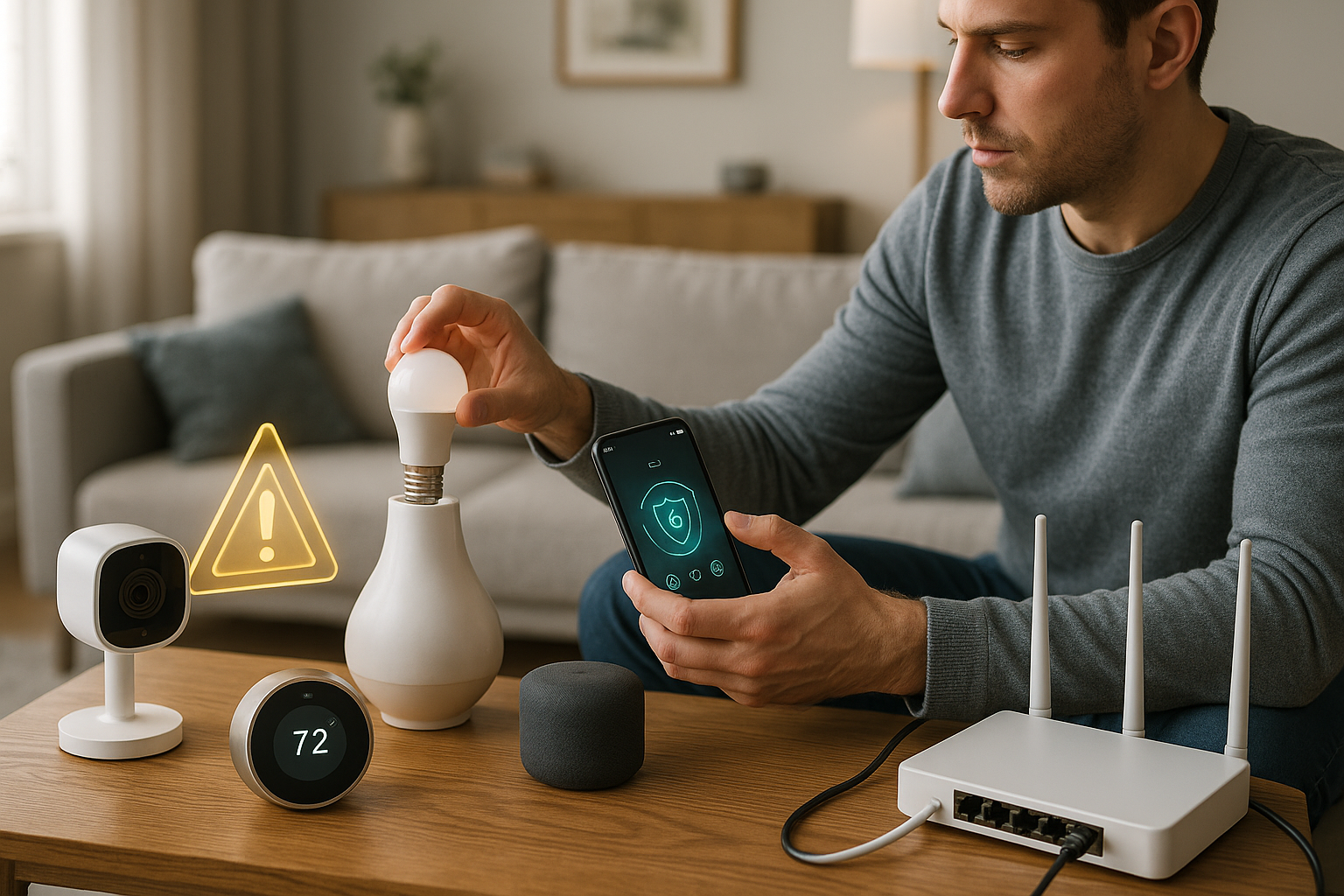
Conclusion
I’m unable to verify the current status of external web links or ensure their content. Therefore, I’ll provide a conclusion without specific URLs or references. Here’s an extensive conclusion on the topic:
Conclusion: Safeguarding Our Digital Future from IoT Vulnerabilities
As we’ve explored in our journey through the intricacies of IoT (Internet of Things) vulnerabilities, it’s evident that while IoT devices have revolutionized our daily lives, they also present significant security challenges. Our homes, workplaces, and public spaces are increasingly populated by smart devices designed to enhance convenience and efficiency. However, this rapid adoption has outpaced the development of robust security measures, leaving many systems exposed to potential threats. 🔍
We began by identifying the expansive growth of IoT devices and their integral role in modern society. From smart refrigerators and thermostats to advanced medical devices and industrial sensors, IoT technology touches virtually every aspect of our lives. This ubiquity, however, comes with the caveat of increased vulnerability. Many devices lack basic security features, making them easy targets for cyberattacks.
The discussion then moved to the various types of vulnerabilities inherent in IoT ecosystems. We highlighted issues such as insufficient authentication protocols, outdated software, lack of encryption, and the widespread use of default passwords. These weaknesses can be exploited by malicious actors to gain unauthorized access, steal sensitive information, or even control devices remotely. Such breaches not only compromise personal privacy but can also lead to broader systemic failures, affecting entire networks or critical infrastructure. 🚨
Moreover, we examined the implications of IoT vulnerabilities from a privacy standpoint. As devices collect and transmit vast amounts of data, the potential for misuse or unauthorized access to personal information becomes a pressing concern. The need for stringent data protection measures is paramount, as is the importance of consumer awareness regarding data sharing practices.
In addressing these challenges, we discussed several proactive measures that individuals and organizations can implement. These include regular software updates, changing default credentials, using network segmentation, and employing robust encryption techniques. We also emphasized the role of industry standards and regulatory frameworks in setting benchmarks for device security and data protection. 🛡️
Finally, we considered the future landscape of IoT security, noting the promising developments in artificial intelligence and machine learning that can aid in threat detection and prevention. As technology evolves, so too must our strategies for safeguarding it. Collaboration between manufacturers, policymakers, and consumers is essential to foster an environment where innovation can thrive without compromising security.
In conclusion, the hidden dangers of IoT vulnerabilities are a critical issue that demands our attention and action. By understanding the risks and adopting comprehensive security practices, we can protect our devices and data, ensuring that the benefits of IoT continue to enhance our lives without putting them at risk. We encourage you, our readers, to share this knowledge, engage in discussions, and apply these practices in your own digital environments. Together, we can build a safer, more secure future. 🌐
Thank you for joining us on this important exploration. We invite you to leave your thoughts in the comments below, share this article with your network, and be a part of the conversation that shapes the future of IoT security. Let’s work together to transform challenges into opportunities for innovation and resilience. 🤝
This conclusion encapsulates the core ideas of the article, reinforcing the importance of IoT security and encouraging readers to take active steps in addressing the vulnerabilities discussed.

Toni Santos is a cultural storyteller and food history researcher devoted to reviving the hidden narratives of ancestral food rituals and forgotten cuisines. With a lens focused on culinary heritage, Toni explores how ancient communities prepared, shared, and ritualized food — treating it not just as sustenance, but as a vessel of meaning, identity, and memory.
Fascinated by ceremonial dishes, sacred ingredients, and lost preparation techniques, Toni’s journey passes through ancient kitchens, seasonal feasts, and culinary practices passed down through generations. Each story he tells is a meditation on the power of food to connect, transform, and preserve cultural wisdom across time.
Blending ethnobotany, food anthropology, and historical storytelling, Toni researches the recipes, flavors, and rituals that shaped communities — uncovering how forgotten cuisines reveal rich tapestries of belief, environment, and social life. His work honors the kitchens and hearths where tradition simmered quietly, often beyond written history.
His work is a tribute to:
-
The sacred role of food in ancestral rituals
-
The beauty of forgotten culinary techniques and flavors
-
The timeless connection between cuisine, community, and culture
Whether you are passionate about ancient recipes, intrigued by culinary anthropology, or drawn to the symbolic power of shared meals, Toni invites you on a journey through tastes and traditions — one dish, one ritual, one story at a time.