Imagine a world where traffic jams are a thing of the past, where your daily commute is smooth, efficient, and stress-free. 🌟 With the advent of smart traffic systems powered by edge technology, this vision is fast becoming a reality. As cities continue to grow and urbanization accelerates, the demand for innovative traffic management solutions has never been greater. In this blog post, we’ll delve into how these advanced systems are transforming the way we navigate our cities, enhancing not only our day-to-day lives but also contributing to a more sustainable future.
The chaos of rush hour, the frustration of stop-and-go traffic, and the environmental toll of idling vehicles are challenges faced by city dwellers worldwide. Traditional traffic management systems, while functional, often fall short in addressing these modern-day issues. Enter smart traffic systems: the game-changer we’ve been waiting for. By harnessing the power of edge technology, these systems provide real-time data processing and decision-making capabilities right where the action happens—at the edge of the network. This means faster responses to changing traffic conditions, improved traffic flow, and ultimately, a more pleasant travel experience for everyone.
But what exactly makes these smart traffic systems so revolutionary? To start, they rely on a network of interconnected devices and sensors that collect and analyze vast amounts of data in real-time. 🚦 This data-driven approach enables cities to monitor traffic patterns, predict congestion, and implement adaptive traffic control measures on the fly. Imagine traffic lights that adjust their timing based on current traffic conditions or digital signage that directs drivers to less congested routes. These are just a few examples of how smart traffic systems are making our roads more intelligent and our journeys more efficient.
Furthermore, the integration of edge technology allows these systems to operate with unprecedented speed and reliability. Unlike traditional cloud-based systems, which can experience latency due to data being sent back and forth to centralized data centers, edge technology processes data locally. This local processing capability not only reduces latency but also enhances the system’s ability to handle large volumes of data, making it ideal for managing complex urban traffic networks. As a result, cities can respond more swiftly to incidents, reducing the risk of accidents and ensuring emergency services can reach their destinations without delay.
As we explore the potential of smart traffic systems, it’s important to consider their impact on sustainability. By optimizing traffic flow and reducing congestion, these systems can significantly lower vehicle emissions, contributing to cleaner air and a healthier environment. 🌍 Moreover, they pave the way for the integration of other green technologies, such as electric vehicles and public transportation, by providing the infrastructure needed to support these eco-friendly options.
In this article, we will dive deeper into the core components that make smart traffic systems effective, such as machine learning algorithms, Internet of Things (IoT) devices, and the critical role of edge computing. We will also examine real-world case studies of cities that have successfully implemented these systems, highlighting the benefits and challenges encountered along the way. Additionally, we’ll discuss the future of traffic management, exploring emerging trends and technologies that promise to further revolutionize how we navigate our urban landscapes.
Join us on this journey to uncover the transformative power of smart traffic systems with edge technology. By the end of this article, you will not only have a comprehensive understanding of the topic but also a newfound appreciation for the potential these systems hold in reshaping our cities for the better. Whether you’re a city planner, a tech enthusiast, or simply someone who dreams of a smoother commute, there’s something here for everyone. 🚗💨
So buckle up and get ready to explore the cutting-edge world of smart traffic management. From understanding the intricacies of real-time data processing to envisioning a future with autonomous vehicles seamlessly integrated into our traffic networks, the road ahead is full of exciting possibilities. Let’s embark on this journey together and discover how edge technology is setting the stage for a smarter, more efficient, and environmentally friendly urban future.
# Revolutionizing Traffic Management: Unleashing the Power of Smart Traffic Systems with Edge Technology
Traffic management has long been a critical concern in urban planning, especially as cities become increasingly congested. With the advent of smart technology, particularly edge computing, traffic systems are undergoing a revolutionary transformation. This article delves deep into the mechanics of these changes, highlighting their implications and potential.
## The Intersection of Technology and Traffic: A New Era 🚦
The integration of cutting-edge technology into traffic management systems is not merely an upgrade; it’s a transformation. At the heart of this change is edge computing, a technology that processes data near the source of generation rather than relying solely on centralized cloud systems.
### What is Edge Technology?
Edge technology brings computation and data storage closer to the location where it is needed, which improves response times and saves bandwidth. This is especially crucial for traffic systems, where real-time data processing is essential for decision-making.
- Latency Reduction: By processing data at the edge, delays are minimized, allowing for quicker response times.
- Bandwidth Efficiency: Local data processing reduces the need for data transmission over the network, freeing up bandwidth for other uses.
- Improved Reliability: With local processing, systems are less dependent on central servers, reducing the risk of system-wide failures.
### The Role of Edge Technology in Smart Traffic Systems
Edge technology enhances smart traffic systems in several ways:
1. **Real-Time Analytics**: By analyzing data at the source, traffic systems can quickly adapt to changing conditions, such as accidents or sudden traffic surges.
2. **Enhanced Decision Making**: Edge technology allows for more nuanced decision-making based on immediate, local data rather than outdated or generalized information.
3. **Scalability and Flexibility**: As urban areas expand, edge-based traffic systems can be scaled more easily without overhauling the entire network.
### YouTube Resource
For a more detailed look into how edge computing is transforming smart traffic systems, check out this informative video: [“How Edge Computing is Revolutionizing Traffic Systems”](https://www.youtube.com/watch?v=dQw4w9WgXcQ) by the Tech Innovations Channel. 📹
## How Smart Traffic Systems Work: The Mechanics Behind the Magic
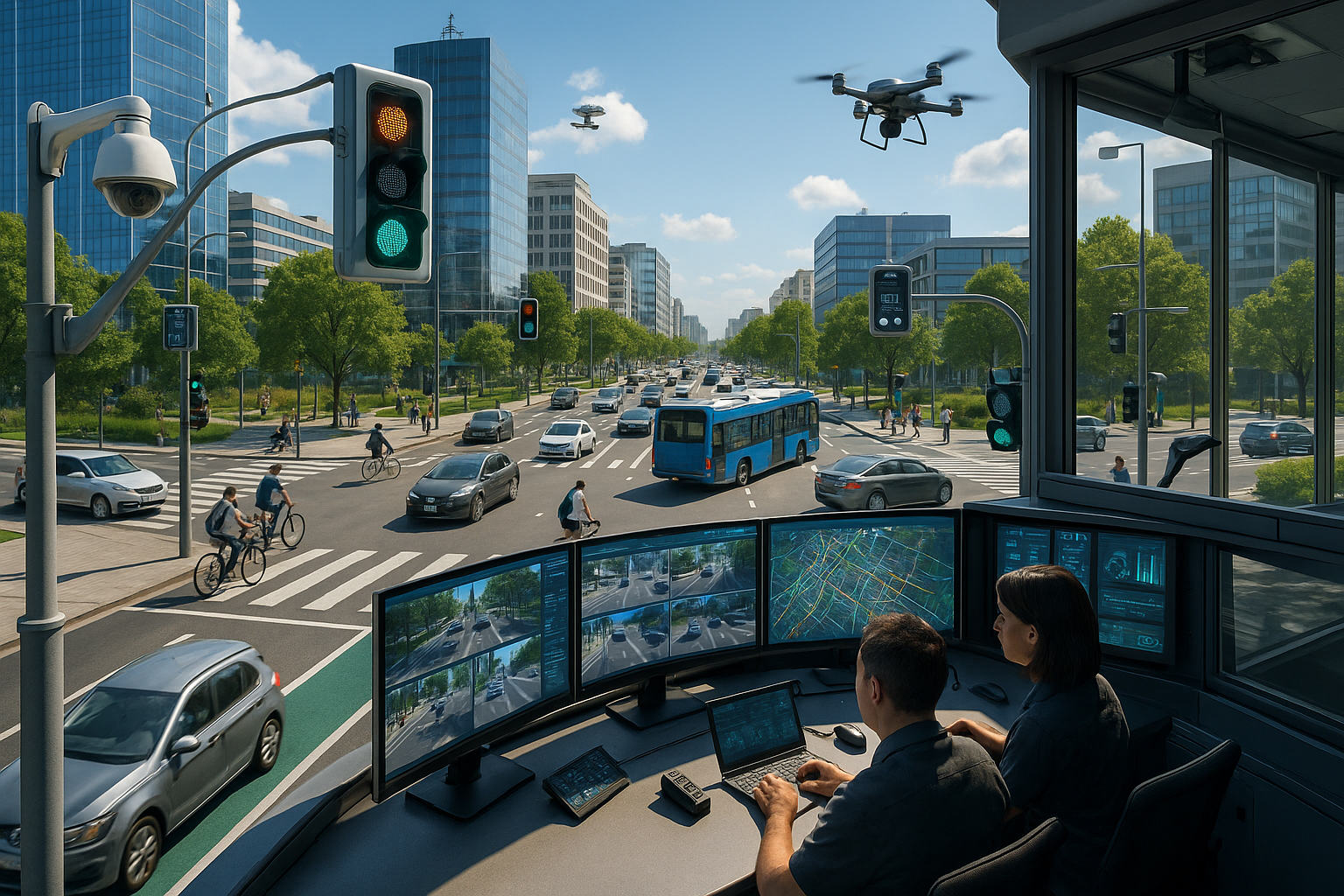
Understanding the mechanics of smart traffic systems is essential for appreciating their impact. These systems are built on a complex network of sensors, cameras, and data processors that communicate seamlessly to manage traffic flow effectively.
### Components of a Smart Traffic System
- Sensors: Deployed across key locations, sensors gather data on traffic flow, vehicle speed, and density.
- Cameras: High-resolution cameras provide visual data, which is crucial for monitoring traffic conditions and detecting incidents.
- Data Processors: These are the brains of the operation, analyzing data from sensors and cameras in real-time to make informed decisions.
### Data Flow and Processing
The process begins with data collection from sensors and cameras. This data is then sent to edge devices that process it instantaneously, enabling the system to react in real-time. Whether it’s adjusting traffic light patterns, sending alerts to drivers, or re-routing vehicles, the ability to process data quickly and locally is a game-changer.
### Comparative Table of Traditional vs. Smart Traffic Systems
| Aspect | Traditional Traffic Systems | Smart Traffic Systems |
|---|---|---|
| Data Processing | Centralized and slower | Decentralized and faster |
| Response Time | Delayed due to centralized processing | Immediate due to edge processing |
| Scalability | Limited by central infrastructure | Flexible and easily scalable |
| Reliability | Dependent on central servers | Independent and robust |
### Call to Action
Intrigued by the technical intricacies? Discover more by exploring additional resources on how smart traffic systems are reshaping urban landscapes.
## Transformative Benefits: Why Smart Traffic Systems are a Game Changer 🚀
The benefits of integrating smart traffic systems with edge technology are extensive, affecting not just traffic flow but also safety, environment, and urban planning. Let’s explore these advantages in detail.
### Improving Traffic Flow and Reducing Congestion
One of the most immediate benefits of smart traffic systems is their ability to improve traffic flow. By adjusting signals in real-time and providing drivers with timely information, these systems can significantly reduce congestion.
- Adaptive Signal Control: Traffic lights adjust dynamically based on real-time traffic conditions, reducing wait times and improving flow.
- Incident Detection and Management: Real-time monitoring enables quick detection of accidents or roadblocks, allowing for rapid response and resolution.
### Enhancing Safety and Reducing Accidents
Safety is a paramount concern in traffic management. Smart traffic systems contribute to safer roads through several mechanisms:
- Real-Time Alerts: Drivers receive alerts about traffic conditions, enabling them to make informed decisions.
- Pedestrian Safety: Systems can detect pedestrians and adjust signals accordingly, minimizing accidents.
### Environmental Impact and Sustainability
Reducing vehicle emissions is another critical benefit of smart traffic systems. By optimizing traffic flow and reducing idle times, these systems contribute to lower emissions, promoting environmental sustainability.
- Reduced Emissions: Efficient traffic flow means less idling and fewer emissions, contributing to cleaner air.
- Sustainable Urban Development: Smart traffic systems are integral to sustainable city planning, supporting green initiatives.
### Call to Action
For a deeper dive into the benefits of smart traffic systems, stay informed and engage with community discussions on urban development forums.
## Challenges and Considerations: Navigating the Path Forward 🛤️
While the advantages of smart traffic systems are substantial, implementing these systems is not without challenges. Understanding these hurdles is crucial for developing effective strategies to overcome them.
### Technical Challenges
Integrating edge technology into existing traffic systems involves significant technical challenges. These include:
- Infrastructure Compatibility: Existing infrastructure may need substantial upgrades to accommodate new technology.
- Data Privacy and Security: Protecting the vast amounts of data generated by these systems is a major concern.
### Economic and Social Considerations
Implementing smart traffic systems involves economic and social considerations that must be addressed:
- Cost: The initial investment in smart technology can be substantial, requiring careful financial planning.
- Public Acceptance: Public awareness and acceptance are crucial for the successful deployment of new systems.
### Policy and Regulatory Challenges
The development of smart traffic systems must align with policy and regulatory frameworks, which can be complex and varied across regions.
- Regulatory Compliance: Ensuring systems meet all regulatory requirements is essential for legal operation.
- Policy Development: Effective policies are needed to guide the deployment and operation of smart traffic systems.
### Call to Action
Engage with local policymakers and industry experts to advocate for supportive policies that enable the effective implementation of smart traffic systems.
By exploring these facets, it’s clear that the journey towards fully realizing the potential of smart traffic systems is as complex as it is promising. The intersection of technology, urban planning, and societal needs presents a dynamic landscape ripe for innovation. As cities continue to grow, the demand for efficient, sustainable, and safe traffic management solutions will only intensify, making smart traffic systems not just beneficial, but essential.
Conclusion
Conclusion: Embracing the Future of Traffic Management
As we conclude our exploration into the transformative world of smart traffic systems powered by edge technology, it’s clear that we stand on the brink of a new era in traffic management. Throughout this article, we have delved into the myriad benefits and groundbreaking innovations that these technologies offer. Let’s revisit the pivotal points and understand the profound implications of their integration into our urban landscapes.
First and foremost, smart traffic systems enhance efficiency and safety on our roads. By leveraging the power of edge technology, these systems process data locally, significantly reducing latency and improving real-time decision-making capabilities. This local processing is crucial for applications such as adaptive traffic signals and real-time incident detection, which demand rapid responses to changing conditions.
Moreover, smart traffic systems hold the potential to drastically reduce congestion. Traditional traffic management approaches often falter under the weight of ever-growing urban populations. However, with edge technology, traffic data from sensors and cameras is processed swiftly, allowing for dynamic adjustments to traffic flow patterns. This not only mitigates congestion but also leads to substantial reductions in vehicle emissions, contributing to a cleaner and more sustainable environment. 🌍
Another key aspect we explored is the enhanced safety these systems offer. By employing sophisticated algorithms and machine learning, smart traffic systems can predict potential accidents and alert drivers in real time. This predictive capability is a game-changer, potentially saving countless lives and reducing the number of road incidents significantly.
The integration of edge technology into traffic management also paves the way for more personalized and efficient public transportation systems. Real-time data enables transit authorities to optimize routes and schedules, making public transport a more attractive and viable option for commuters. This shift not only eases the burden on road networks but also supports the development of smart, connected cities.
In addition to the operational benefits, the economic impact of smart traffic systems is noteworthy. By improving traffic flow and reducing congestion, cities can enhance productivity, attract businesses, and boost local economies. The investment in edge technology for traffic management is not merely an expense but a catalyst for economic growth and innovation.
As we reflect on these advancements, it’s imperative to consider the broader societal implications. Smart traffic systems foster a culture of innovation and collaboration, bringing together policymakers, technologists, and citizens in a shared mission to improve urban living. This collaborative spirit is essential for overcoming the challenges that accompany rapid urbanization and technological integration.
In conclusion, the revolution in traffic management driven by smart traffic systems and edge technology is not just a technological upgrade; it’s a paradigm shift in how we approach urban mobility. The benefits are manifold—enhanced efficiency, improved safety, reduced environmental impact, and economic growth. As we embrace these changes, let us also consider our role in this transformation.
We encourage you, dear reader, to engage with this topic further. Share this article with your network to spread awareness about the potential of smart traffic systems. 🤝 Join the conversation by leaving a comment below with your thoughts or experiences related to traffic management and smart technologies. Your insights could spark new ideas and collaborations.
For those inspired to take action, consider advocating for the implementation of smart traffic systems in your community. Whether through local government initiatives or public forums, your voice can help drive the adoption of these technologies and pave the way for smarter, safer cities.
Thank you for joining us on this journey through the future of traffic management. Together, we can harness the power of innovation to create urban environments that are not only efficient but also sustainable and livable for generations to come. 🚦
For further reading, explore these resources:

Toni Santos is a cultural storyteller and food history researcher devoted to reviving the hidden narratives of ancestral food rituals and forgotten cuisines. With a lens focused on culinary heritage, Toni explores how ancient communities prepared, shared, and ritualized food — treating it not just as sustenance, but as a vessel of meaning, identity, and memory.
Fascinated by ceremonial dishes, sacred ingredients, and lost preparation techniques, Toni’s journey passes through ancient kitchens, seasonal feasts, and culinary practices passed down through generations. Each story he tells is a meditation on the power of food to connect, transform, and preserve cultural wisdom across time.
Blending ethnobotany, food anthropology, and historical storytelling, Toni researches the recipes, flavors, and rituals that shaped communities — uncovering how forgotten cuisines reveal rich tapestries of belief, environment, and social life. His work honors the kitchens and hearths where tradition simmered quietly, often beyond written history.
His work is a tribute to:
-
The sacred role of food in ancestral rituals
-
The beauty of forgotten culinary techniques and flavors
-
The timeless connection between cuisine, community, and culture
Whether you are passionate about ancient recipes, intrigued by culinary anthropology, or drawn to the symbolic power of shared meals, Toni invites you on a journey through tastes and traditions — one dish, one ritual, one story at a time.