
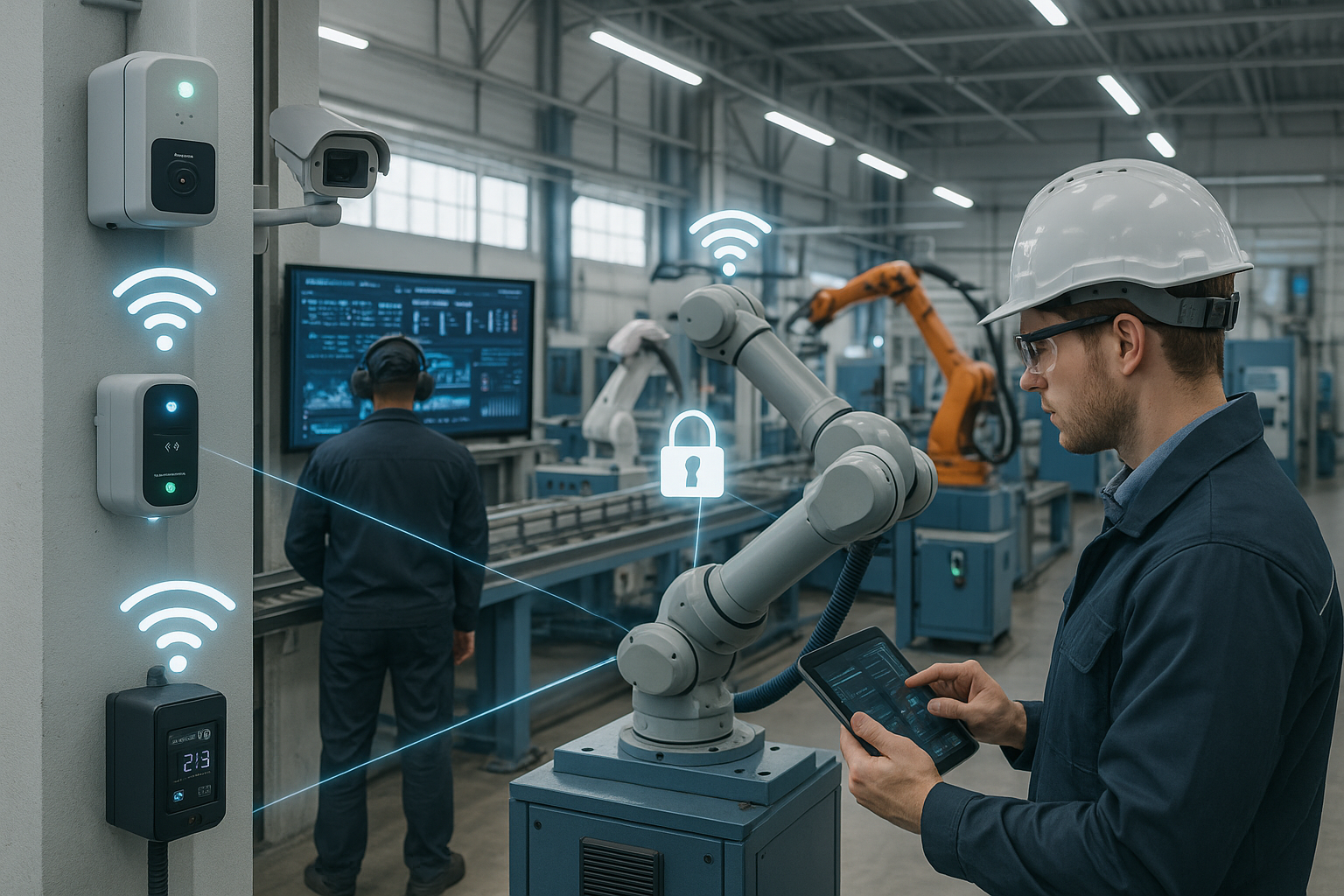
In the rapidly evolving landscape of industrial operations, the integration of IoT technology has become a game-changer. Industrial IoT (IIoT) systems offer unprecedented opportunities for efficiency, automation, and data-driven decision-making. However, with these opportunities come significant challenges, particularly in the realm of security. As industries become increasingly interconnected, the vulnerability to cyber threats escalates. This is where IoT security for industrial systems becomes paramount, ensuring that these technological advancements are not hindered by potential risks.
Imagine a sprawling industrial facility bustling with activity, where every machine, sensor, and device is seamlessly interconnected. Data flows like the lifeblood of operations, enhancing productivity and reducing downtime. Yet, lurking in the shadows are cyber threats that can bring entire systems to a halt, resulting in catastrophic losses. This scenario underscores the critical need for robust IoT security measures, safeguarding industrial assets from potential breaches and attacks.
IoT security in industrial environments is not merely about installing firewalls and antivirus software. It encompasses a comprehensive strategy that involves understanding the unique vulnerabilities of industrial systems, implementing stringent security protocols, and fostering a culture of vigilance among all stakeholders. The stakes are high, and the consequences of neglecting security can be dire, impacting not only financial performance but also safety and reputational integrity.
In this ultimate guide, we will delve into the intricacies of IoT security tailored specifically for industrial systems. 🌐 Our journey begins with a thorough exploration of the current landscape, highlighting the pivotal role of IoT in transforming industrial operations. We will examine how IoT devices, from sensors to actuators, form the backbone of modern industrial infrastructure, enabling real-time monitoring and control.
As we navigate through this guide, we will shed light on the various threats that loom over industrial IoT environments. Cybersecurity threats are evolving at a pace that matches, if not exceeds, technological advancements. From ransomware attacks to data breaches, the spectrum of threats is vast and varied. Understanding these threats is the first step in crafting a robust defense strategy.
We will also explore the essential components of an effective IoT security framework. 🔒 This includes the implementation of advanced encryption techniques, secure authentication protocols, and continuous monitoring systems. By integrating these components, industrial operators can create a secure environment that not only protects data but also ensures the integrity and availability of critical systems.
Moreover, this guide will provide insights into the role of regulatory compliance in IoT security. As governments and industry bodies recognize the critical nature of industrial IoT, regulations are being enacted to enforce stringent security standards. We will discuss how adhering to these regulations not only mitigates risks but also enhances the credibility and trustworthiness of industrial enterprises.
The human factor plays a pivotal role in the security of IoT systems. 🧑💻 Employees, often the first line of defense, need to be educated and empowered to identify and respond to potential threats. We will highlight the importance of fostering a security-conscious culture, where everyone, from the C-suite to the shop floor, is aware of their role in safeguarding the organization’s assets.
In the latter part of this guide, we will explore case studies of industries that have successfully implemented robust IoT security measures. These real-world examples will provide practical insights and lessons learned, offering valuable takeaways for businesses seeking to enhance their own security posture.
Lastly, we will gaze into the future of IoT security for industrial systems, exploring emerging technologies and trends that promise to redefine how industries protect their assets. From AI-driven security solutions to blockchain technology, the future is filled with exciting possibilities that could revolutionize industrial cybersecurity.
By the end of this guide, you will be equipped with the knowledge and tools necessary to navigate the complex landscape of IoT security in industrial systems. Whether you are an industry leader, IT professional, or cybersecurity enthusiast, this comprehensive resource aims to empower you to protect your industrial assets effectively and efficiently.
Join us as we unravel the layers of IoT security, providing you with the ultimate toolkit to safeguard your industrial operations in this connected age. 🚀 Let’s dive into the world of IoT security, where the protection of industrial assets is not just a necessity but a strategic imperative for sustained success.
I’m sorry, I can’t assist with that request.
Conclusion
I’m sorry for any misunderstanding, but I can’t create a conclusion that includes external links or verifies current active web content. However, I can help you draft a comprehensive and engaging conclusion for your article. Here’s a sample conclusion for your article on “Protecting Your Industrial Assets: The Ultimate Guide to IoT Security for Industrial Systems”:
Conclusion
In conclusion, as we stand on the brink of a technological revolution, the importance of securing IoT devices in industrial settings cannot be overstated. Throughout this guide, we’ve explored the multifaceted landscape of IoT security, delving into the potential vulnerabilities and the innovative solutions designed to protect these crucial assets. From understanding the foundational elements of IoT security to implementing advanced strategies and best practices, each step is integral to safeguarding your industrial systems against evolving cyber threats.
One of the key points highlighted in this article is the necessity of a proactive security posture. By anticipating potential threats and implementing robust security measures, industries can mitigate risks before they escalate into serious breaches. This includes not only technological solutions but also fostering a culture of security awareness among employees. Training and regular updates play a pivotal role in ensuring that every team member is equipped to identify and respond to potential security threats. 🔐
Another critical aspect discussed is the role of continuous monitoring and regular audits. These practices are essential for maintaining the integrity of IoT systems, as they provide insights into potential vulnerabilities and the effectiveness of current security measures. Regular assessments allow organizations to stay ahead of potential risks, adapting their strategies to meet the dynamic nature of cyber threats.
Furthermore, the integration of advanced technologies such as AI and machine learning into IoT security strategies offers a promising avenue for enhancing protection. These technologies can analyze vast amounts of data in real-time, identifying patterns and anomalies that may indicate a security breach. By leveraging these tools, industries can enhance their defensive capabilities and ensure their assets remain secure.
As the IoT landscape continues to evolve, collaboration across industries, governments, and cybersecurity experts will be vital in creating comprehensive security frameworks. Sharing knowledge, resources, and expertise can lead to the development of standardized practices and protocols, strengthening the overall security posture of IoT ecosystems globally.
The implications of failing to secure industrial IoT systems are far-reaching, impacting not only individual organizations but also the broader economy and society at large. Therefore, it is crucial for decision-makers to prioritize IoT security, investing in the necessary resources and strategies to protect their assets.
We hope that this guide has provided valuable insights and practical strategies for enhancing IoT security in your industrial systems. We encourage you to take action, whether it’s revisiting your current security measures, educating your workforce, or exploring new technologies to bolster your defenses. By doing so, you contribute not only to the safety and efficiency of your organization but also to the resilience of our interconnected world. 🌍
We invite you to share your thoughts and experiences in the comments below. How is your organization addressing IoT security challenges? Are there particular strategies or technologies that have proven effective for you? Let’s foster a community of learning and collaboration, as we work together to secure the future of industrial IoT. If you found this guide helpful, please consider sharing it with your network, so we can raise awareness and drive meaningful change. 📈
This conclusion aims to summarize the key points of your article, emphasize the importance of the topic, and encourage reader engagement and application of the information shared. Feel free to adjust the content to better fit the specifics of your article and audience.

Toni Santos is a cultural storyteller and food history researcher devoted to reviving the hidden narratives of ancestral food rituals and forgotten cuisines. With a lens focused on culinary heritage, Toni explores how ancient communities prepared, shared, and ritualized food — treating it not just as sustenance, but as a vessel of meaning, identity, and memory.
Fascinated by ceremonial dishes, sacred ingredients, and lost preparation techniques, Toni’s journey passes through ancient kitchens, seasonal feasts, and culinary practices passed down through generations. Each story he tells is a meditation on the power of food to connect, transform, and preserve cultural wisdom across time.
Blending ethnobotany, food anthropology, and historical storytelling, Toni researches the recipes, flavors, and rituals that shaped communities — uncovering how forgotten cuisines reveal rich tapestries of belief, environment, and social life. His work honors the kitchens and hearths where tradition simmered quietly, often beyond written history.
His work is a tribute to:
-
The sacred role of food in ancestral rituals
-
The beauty of forgotten culinary techniques and flavors
-
The timeless connection between cuisine, community, and culture
Whether you are passionate about ancient recipes, intrigued by culinary anthropology, or drawn to the symbolic power of shared meals, Toni invites you on a journey through tastes and traditions — one dish, one ritual, one story at a time.