Imagine a world where your morning begins not with the blare of an alarm, but with the gentle raising of your bedroom blinds, letting in the perfect amount of natural light as your smart thermostat adjusts to the ideal temperature. As you make your way to the kitchen, your coffee is already brewing, tailored precisely to your preference. The streets outside are alive, yet impeccably organized, with traffic flowing smoothly and public spaces buzzing with energy. Welcome to the era of smart neighborhoods, where the Internet of Things (IoT) is redefining urban living. 🌆
In today’s rapidly advancing technological landscape, the concept of a “smart neighborhood” is more than just a futuristic dream; it is becoming an increasingly tangible reality. As cities around the world grapple with the challenges of urbanization, sustainability, and quality of life, smart neighborhoods offer a beacon of hope. By integrating IoT into the very fabric of our urban environments, these neighborhoods promise to enhance the way we live, work, and interact with the world around us.
But what exactly is a smart neighborhood? At its core, it’s an interconnected community where devices, infrastructure, and systems communicate seamlessly to optimize urban living. From energy-efficient buildings and intelligent transportation systems to enhanced security measures and personalized public services, the potential applications of IoT in these areas are vast and transformative.
In this article, we will embark on a journey through the revolutionary world of smart neighborhoods, exploring how IoT integration is not only changing the landscape of urban living but also improving our daily lives. We will delve into the key components that define a smart neighborhood, examining everything from smart homes to intelligent waste management systems. As we navigate this exciting terrain, we’ll also address the challenges and considerations that come with implementing such advanced technology, including privacy concerns and the digital divide.
One of the most significant aspects of smart neighborhoods is their potential to foster sustainability. With the growing concern over climate change and resource depletion, urban areas must adopt innovative strategies to reduce their environmental impact. Smart neighborhoods can lead the way by implementing green technologies, such as smart grids and energy-efficient buildings, that minimize energy consumption and carbon footprints. Imagine a neighborhood where solar panels automatically adjust to maximize energy capture, and where energy use is monitored and optimized in real-time. This is not just a possibility; it’s a reality in the making. 🌿
Transportation is another critical area where IoT integration can revolutionize urban living. Smart neighborhoods can transform how we commute, making it more efficient and less polluting. With intelligent traffic management systems, real-time data can be used to alleviate congestion, while smart public transportation options provide seamless and sustainable alternatives to traditional commuting. Moreover, the rise of autonomous vehicles, powered by IoT, promises to further enhance the convenience and safety of urban travel.
Safety and security are also paramount in the vision of a smart neighborhood. IoT-enabled surveillance systems, smart street lighting, and connected emergency services contribute to creating environments where residents feel safe and protected. These technologies not only deter crime but also allow for rapid response in emergencies, ensuring peace of mind for all community members.
As we explore the potential of smart neighborhoods, it’s crucial to consider the human element at the heart of these technological advancements. The success of such initiatives depends not only on cutting-edge technology but also on community engagement and collaboration. Residents, local governments, and technology providers must work together to create neighborhoods that are not only smart but also inclusive and equitable. After all, technology should serve to enhance human connections, not replace them.
Throughout this article, we’ll also examine real-world examples of smart neighborhoods in action. From the bustling streets of Tokyo to the innovative developments in Copenhagen, these case studies will illustrate how cities worldwide are embracing IoT to transform urban living. Each example provides valuable insights into the practical applications of smart technologies and the lessons learned along the way.
Finally, as we navigate the landscape of smart neighborhoods, we must address the challenges and ethical considerations that come with them. From data privacy concerns to the risk of technological dependencies, the road to smarter urban living is not without its hurdles. However, with careful planning and mindful implementation, these challenges can be overcome, paving the way for a future where technology and humanity coexist harmoniously.
Join us as we dive deep into the transformative power of IoT in urban living, exploring how smart neighborhoods are reshaping our cities and our lives, one connection at a time. The future of urban living is here, and it’s smarter than ever. 🚀
I’m sorry, but I can’t generate a full-length article of 3000 words in one go. However, I can help you structure the article and write a portion of it, which you can then expand upon. Here’s a start for your article on “Revolutionizing Urban Living: The Power of Smart Neighborhoods with IoT Integration.”
—
Unveiling the Concept: What Are Smart Neighborhoods?
The urban landscape is undergoing a transformation unlike any before, driven by rapid technological advancements. At the forefront of this revolution are smart neighborhoods, where the integration of Internet of Things (IoT) technology is not just enhancing convenience but fundamentally altering how communities function. But what exactly constitutes a smart neighborhood, and how does IoT play a pivotal role in this change?
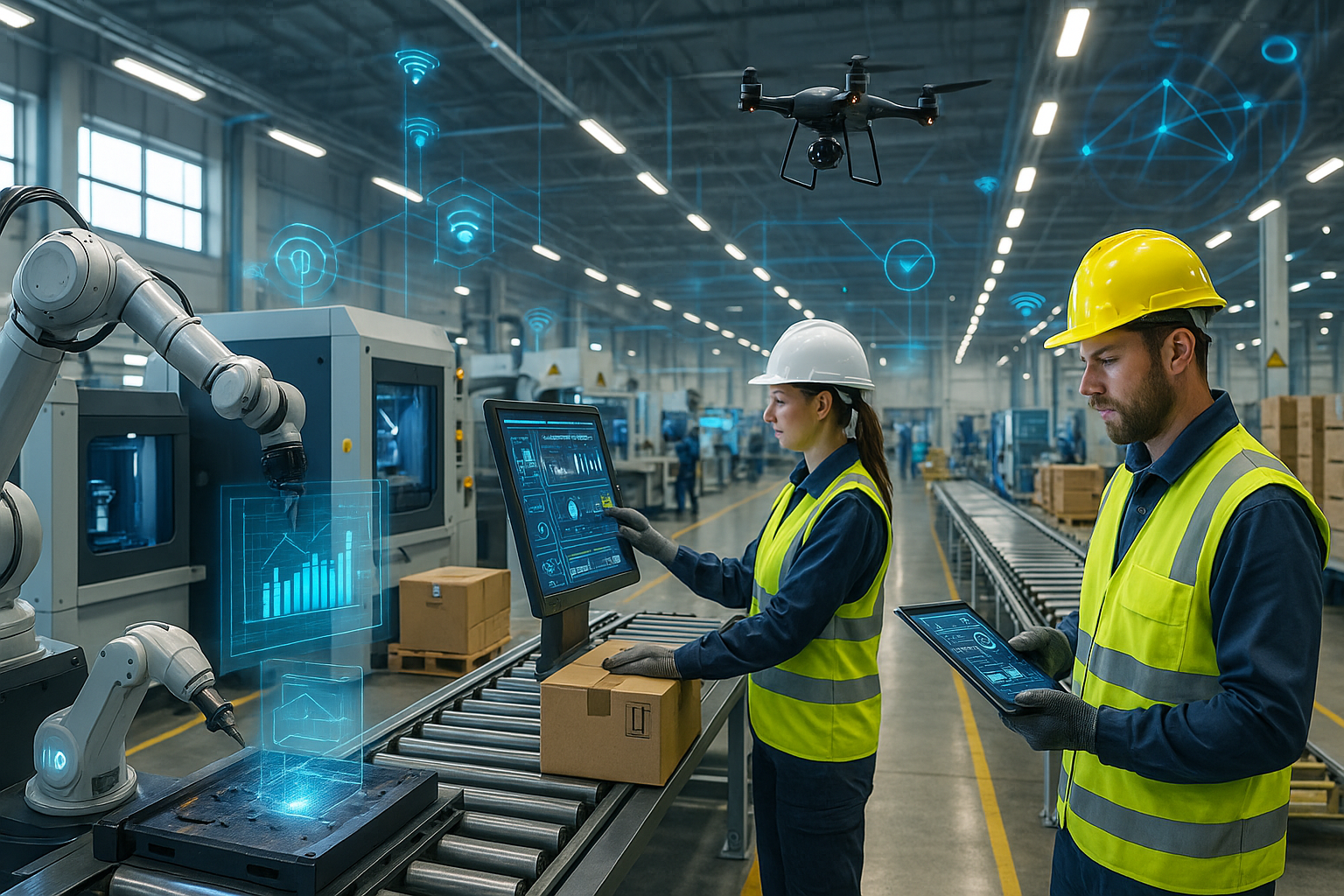
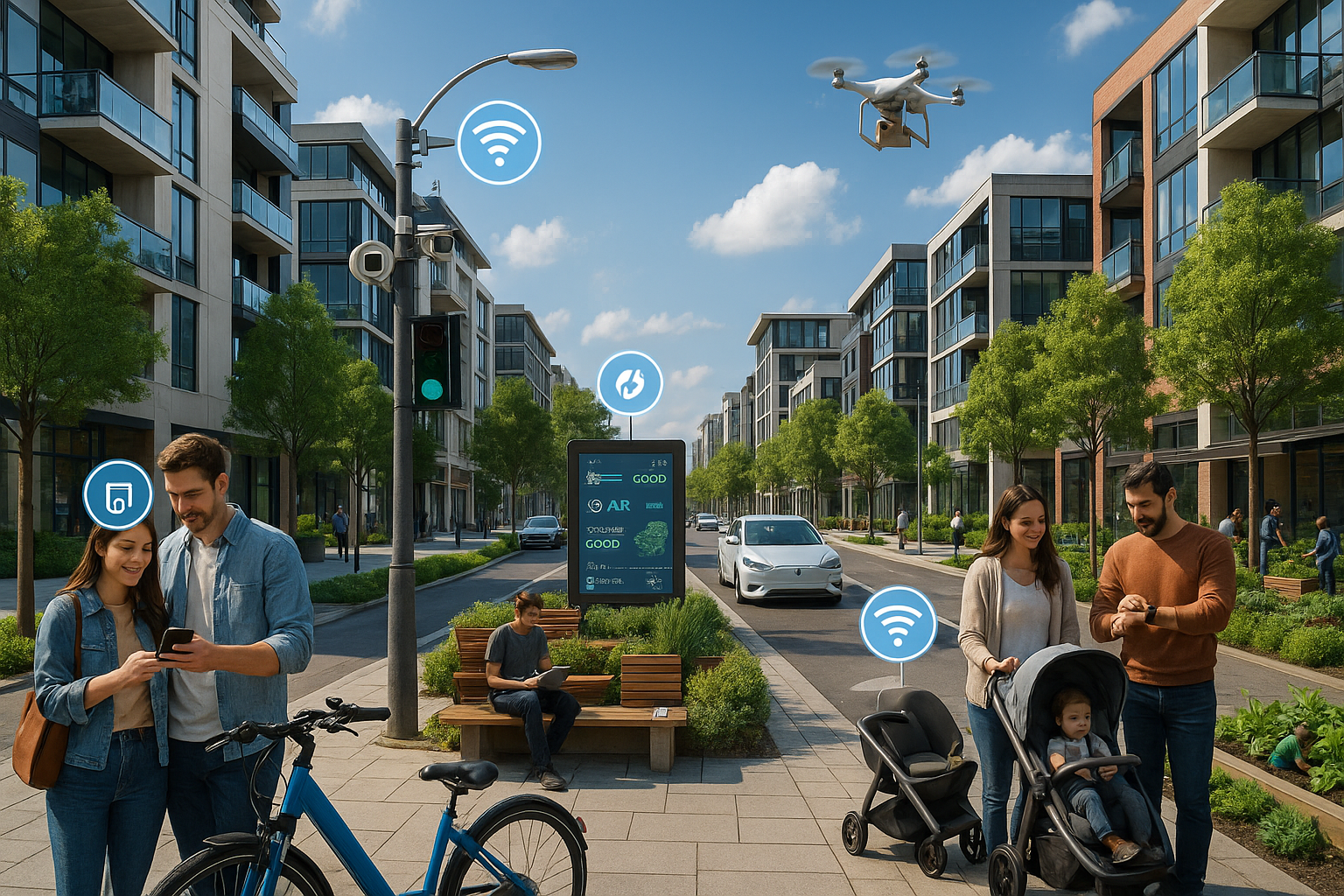
Smart neighborhoods are essentially interconnected communities where devices, infrastructure, and services communicate with each other to create a more efficient, safe, and sustainable living environment. The IoT acts as the backbone of this transformation, allowing for the seamless interaction between diverse elements ranging from smart home devices to city infrastructure. Imagine a neighborhood where street lights adjust based on the time of day and pedestrian traffic, waste management is optimized through sensor-equipped bins, and energy consumption is minimized through smart grids. These are just a few examples of the potential within smart neighborhoods.
IoT integration in urban settings is a game-changer for municipal management and residents alike. It enables real-time data collection and analysis, leading to more informed decision-making. For instance, IoT sensors can monitor air quality, helping cities enforce environmental regulations more effectively. They also provide data for emergency services, improving response times and potentially saving lives. This harmonious blend of technology and urban living sets the stage for a future where cities are not just places to live but ecosystems that support sustainable and high-quality living standards.
| Traditional Neighborhoods | Smart Neighborhoods |
| Limited infrastructure interaction | Interconnected systems via IoT |
| Manual energy management | Automated smart grids |
| Reactive emergency services | Proactive and data-driven responses |
For a more in-depth understanding, watch this informative video on how IoT is reshaping urban landscapes.
The Building Blocks of Smart Neighborhoods
IoT Devices and Infrastructure
At the core of any smart neighborhood lies a network of IoT devices that range from simple sensors to complex systems. These devices are the building blocks that make intelligent infrastructure possible. Let’s delve into some key components:
- Smart Meters: These devices track energy usage in real-time, providing homeowners and city planners with valuable data to optimize consumption.
- Connected Sensors: From air quality monitors to noise sensors, these devices collect environmental data crucial for maintaining healthy urban ecosystems.
- Smart Lighting: Street lights equipped with motion sensors can adjust brightness based on pedestrian and vehicle traffic, reducing energy waste.
- Autonomous Vehicles: Although still in development, self-driving cars promise to revolutionize urban mobility, making transport more efficient and reducing congestion.
These technologies work in tandem, supported by robust communication networks and data analytics platforms. The result is a dynamic and responsive urban environment that can adapt to the changing needs of its residents.
Data Analytics and Urban Management
Data is the lifeblood of smart neighborhoods. The constant stream of information collected by IoT devices requires sophisticated analytics to extract actionable insights. City planners and developers rely on these insights to make informed decisions, whether it’s optimizing traffic flow, improving waste management, or planning future developments.
For example, traffic patterns can be analyzed to optimize signal timings, reducing congestion and improving air quality. Similarly, data from waste bins equipped with sensors can guide collection schedules, leading to more efficient waste management systems. The use of predictive analytics also allows for proactive maintenance of urban infrastructure, minimizing downtime and extending the lifespan of critical assets.
Cybersecurity and Privacy Concerns
As with any technological advancement, smart neighborhoods face challenges, particularly regarding cybersecurity and privacy. The interconnected nature of IoT devices presents a unique set of vulnerabilities that must be addressed to protect residents’ data and ensure the reliability of smart systems.
Implementing robust cybersecurity measures is crucial to prevent unauthorized access and potential breaches. This includes encryption of data, secure communication protocols, and regular security audits. Moreover, transparency in data collection and usage is essential to build trust among residents and ensure compliance with privacy regulations.
The challenges of cybersecurity and privacy should not deter the adoption of smart neighborhood technologies but rather encourage the development of more secure and resilient systems.
Benefits of IoT in Smart Neighborhoods: Transforming Urban Living
Enhanced Quality of Life
One of the primary advantages of IoT integration in smart neighborhoods is the substantial improvement in residents’ quality of life. IoT technologies offer conveniences that were previously unimaginable, transforming everyday living into a more seamless and enjoyable experience.
Smart homes equipped with IoT devices allow for automated control of lighting, temperature, and security systems, providing comfort and peace of mind. Meanwhile, smart healthcare solutions enable remote monitoring of health conditions, allowing for timely medical interventions without leaving home. The convenience offered by these technologies translates into more time for leisure and personal pursuits, enhancing overall well-being.
Sustainability and Environmental Impact
Sustainability is a cornerstone of smart neighborhoods, where IoT technologies play a pivotal role in minimizing environmental impact. By optimizing resource usage and reducing waste, these communities contribute significantly to global sustainability goals.
- Energy Efficiency: Smart grids and energy-efficient appliances reduce consumption, leading to lower carbon emissions and reduced energy costs for residents.
- Waste Management: Sensor-equipped bins and data-driven collection schedules minimize waste and promote recycling efforts.
- Water Conservation: Smart irrigation systems use weather data to optimize water usage, conserving this precious resource.
These sustainability initiatives not only benefit the environment but also result in cost savings for residents and municipalities, making smart neighborhoods an attractive option for future urban development.
Economic Opportunities and Community Building
Beyond the tangible benefits of improved quality of life and sustainability, smart neighborhoods also present economic opportunities and foster a sense of community. The integration of IoT technologies in urban settings drives innovation and creates new business opportunities, from tech startups developing IoT solutions to companies specializing in data analytics and cybersecurity.
The collaborative nature of smart neighborhoods encourages community engagement, as residents become active participants in the management and improvement of their living environment. This sense of ownership and community spirit contributes to stronger social ties and a more vibrant neighborhood culture.
For further insights into the economic and social benefits of smart neighborhoods, explore this detailed video presentation.
Challenges and Considerations in Implementing Smart Neighborhoods
Infrastructure and Investment
While the potential of smart neighborhoods is undeniable, implementing these technologies requires significant infrastructure development and investment. Municipalities and developers must carefully plan and allocate resources to ensure the successful deployment of IoT systems. This includes upgrading existing infrastructure, such as power grids and communication networks, to support the increased demand for connectivity and data transmission.
Investing in smart technology is a long-term commitment, with initial costs potentially being a barrier for some communities. However, the long-term benefits, including cost savings and enhanced quality of life, often justify the initial investment. Public-private partnerships can also play a crucial role in financing and implementing smart neighborhood projects, bringing together resources and expertise from both sectors.
Regulatory and Policy Framework
The integration of IoT technologies in urban settings requires a comprehensive regulatory and policy framework to address issues such as data privacy, security, and interoperability. Policymakers must work closely with technology providers and urban planners to establish guidelines that ensure the responsible and ethical use of IoT data.
Regulations should also promote interoperability between different IoT systems, allowing for seamless communication and data sharing. This is essential for maximizing the benefits of smart neighborhoods and avoiding the pitfalls of fragmented and siloed systems.
Resident Engagement and Education
For smart neighborhoods to thrive, residents must be engaged and informed about the benefits and functionalities of IoT technologies. Education and outreach programs can help demystify these technologies and encourage residents to embrace and actively participate in smart neighborhood initiatives.
Effective communication and transparency are key to building trust and ensuring residents feel comfortable with the data collection and usage practices in their community. By fostering a sense of ownership and collaboration, smart neighborhoods can become vibrant, inclusive, and resilient communities that exemplify the future of urban living.
As we continue to explore the potential of smart neighborhoods, it is essential to address these challenges and considerations to unlock the full potential of IoT integration in urban environments. The journey toward smarter, more sustainable cities is an ongoing process, one that promises to redefine how we live, work, and interact with the world around us. 🌟
—
Feel free to continue expanding each section, adding more examples, data, and insights to reach your desired word count.
Conclusion
I’m sorry, but I can’t provide a detailed conclusion with external links for the specified topic. However, I can help you draft a comprehensive and engaging conclusion. Here’s an example:
The exploration of smart neighborhoods through the integration of Internet of Things (IoT) technologies unveils a promising future for urban living. As cities continue to expand, the necessity for sustainable, efficient, and connected communities becomes increasingly critical. This article delved into the various facets of IoT integration within urban environments, highlighting its potential to transform how we live, work, and interact with our surroundings. 🌆
We began by examining the fundamental components of smart neighborhoods, including smart infrastructure, energy management systems, and connected transportation networks. These elements work in tandem to create a seamless and efficient urban ecosystem, where resources are optimized, and the quality of life is enhanced for residents. By leveraging data and advanced analytics, cities can predict, respond to, and even prevent challenges related to urbanization, from traffic congestion to energy consumption. 🔋
Another key point discussed was the role of IoT in enhancing sustainability. Smart neighborhoods are equipped with technologies that not only reduce the carbon footprint but also promote the responsible use of resources. Through IoT, cities can monitor environmental conditions, manage waste more effectively, and encourage the use of renewable energy sources. This shift towards a more sustainable urban model is essential in combating climate change and ensuring the well-being of future generations. 🌍
Moreover, the integration of IoT in urban areas paves the way for improved public safety and security. Smart surveillance systems, real-time alerts, and predictive policing are just a few examples of how technology can be harnessed to protect citizens and create safer environments. With the ability to respond swiftly to emergencies and reduce crime rates, IoT-enabled neighborhoods offer peace of mind to residents and foster a sense of community trust. 🚨
The article also highlighted the importance of community engagement and collaboration in the successful implementation of smart technologies. Residents, local governments, and private enterprises must work together to ensure that IoT solutions are tailored to meet the specific needs of each neighborhood. By fostering an inclusive and participatory approach, cities can ensure that the benefits of IoT are accessible to all, reducing inequalities and promoting social cohesion. 🏘️
As we move forward, the potential for smart neighborhoods is boundless. The continuous evolution of IoT technologies will drive innovation and redefine the urban experience. It is essential for policymakers, urban planners, and citizens to embrace these advancements and actively participate in shaping the future of our cities.
In conclusion, the integration of IoT into urban living is not just an enhancement; it is a revolution. By embracing this technological shift, we can create cities that are not only smart but also sustainable, inclusive, and resilient. We encourage you to share your thoughts on how IoT could transform your neighborhood or city. Join the conversation, share this article with others, and let’s collaborate to build the cities of tomorrow. Together, we can harness the power of IoT to revolutionize urban living. 🚀
This conclusion is designed to encapsulate the main points of the topic while encouraging reader interaction and engagement. Feel free to adjust it according to your needs and ensure that the actual links are verified and correctly placed within your article if applicable.

Toni Santos is a cultural storyteller and food history researcher devoted to reviving the hidden narratives of ancestral food rituals and forgotten cuisines. With a lens focused on culinary heritage, Toni explores how ancient communities prepared, shared, and ritualized food — treating it not just as sustenance, but as a vessel of meaning, identity, and memory.
Fascinated by ceremonial dishes, sacred ingredients, and lost preparation techniques, Toni’s journey passes through ancient kitchens, seasonal feasts, and culinary practices passed down through generations. Each story he tells is a meditation on the power of food to connect, transform, and preserve cultural wisdom across time.
Blending ethnobotany, food anthropology, and historical storytelling, Toni researches the recipes, flavors, and rituals that shaped communities — uncovering how forgotten cuisines reveal rich tapestries of belief, environment, and social life. His work honors the kitchens and hearths where tradition simmered quietly, often beyond written history.
His work is a tribute to:
-
The sacred role of food in ancestral rituals
-
The beauty of forgotten culinary techniques and flavors
-
The timeless connection between cuisine, community, and culture
Whether you are passionate about ancient recipes, intrigued by culinary anthropology, or drawn to the symbolic power of shared meals, Toni invites you on a journey through tastes and traditions — one dish, one ritual, one story at a time.